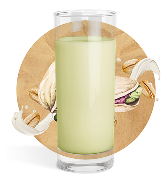
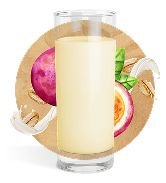
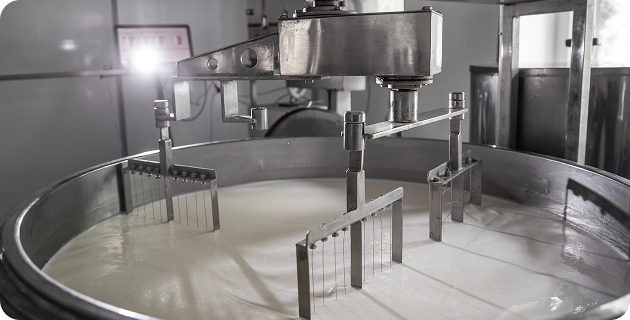
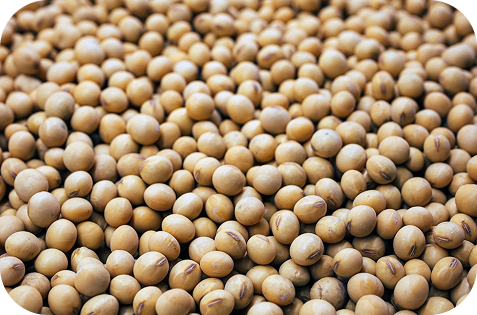
Plant based concentrates are highly concentrated ingredients obtained from fruits, vegetables, legumes, cereals, or other botanical sources. They are widely used in the food and beverage industry to enhance flavor, nutrition, texture, and functionality while supporting clean-label and plant-based product development.
Plant based concentrates can provide excellent nutritional value depending on the raw material used. Fruit and vegetable concentrates are rich in vitamins, antioxidants, and natural phytonutrients, while plant protein concentrates from peas, oats, or rice can improve protein content and support functional beverage formulations.
Yes. Many plant based concentrates naturally enhance sweetness and flavor intensity, helping manufacturers reduce added sugar without compromising taste. Fruit concentrates, natural fibers, and botanical extracts are commonly used to support sugar reduction strategies.
Absolutely. Plant based concentrates are widely used in clean-label formulations because they are derived from natural sources and can replace artificial additives, colorants, or flavor enhancers. Consumers increasingly prefer recognizable and minimally processed ingredients.
Plant based concentrates are used across multiple industries, including beverage manufacturing, dairy alternatives, bakery, confectionery, sauces, baby food, sports nutrition, and ready-to-eat meals. Their versatility makes them ideal for innovative food applications.

Plant based concentrates are highly cost-effective for industrial food processing because they offer consistent quality, long shelf life, easier storage, and reduced transportation costs compared to fresh raw materials. They also help optimize production efficiency.


Some of the most in-demand plant based concentrates include fruit juice concentrates, tomato concentrates, oat concentrates, pea protein concentrates, coconut-based ingredients, and vegetable purées. These ingredients are especially popular in vegan and health-focused product lines.
Yes. Plant based concentrates contribute to more sustainable food production by reducing waste, optimizing raw material usage, lowering transportation emissions, and supporting environmentally friendly product innovation. Many manufacturers choose plant-based solutions to meet sustainability goals.
MAK Food Company provides high-quality plant based concentrates tailored to the needs of the global food and beverage industry. The company focuses on innovation, consistency, customized solutions, and reliable supply chains to help brands develop competitive plant-based products.