
Plant-based beverages are no longer a niche. They’re a fast-moving, competitive category that keeps expanding across retail, foodservice, and convenience formats. For manufacturers, that growth brings a clear opportunity: launch more plant-based SKUs, faster, while keeping production efficient and margins under control.
The challenge? Today’s market is not only demanding “dairy-free” products. Consumers expect better taste, a creamier texture, cleaner labels, and premium positioning. To succeed, brands need plant-based drinks that feel indulgent, consistent, and easy to integrate into everyday routines.
That’s where MAK helps manufacturers move from trend to product without adding complexity to their operations.
Plant-based is scaling. Differentiation is the new advantage.
In many markets, plant-based has become a standard portfolio category. What wins now is differentiation: stronger product experience, smarter formats, and faster innovation cycles.
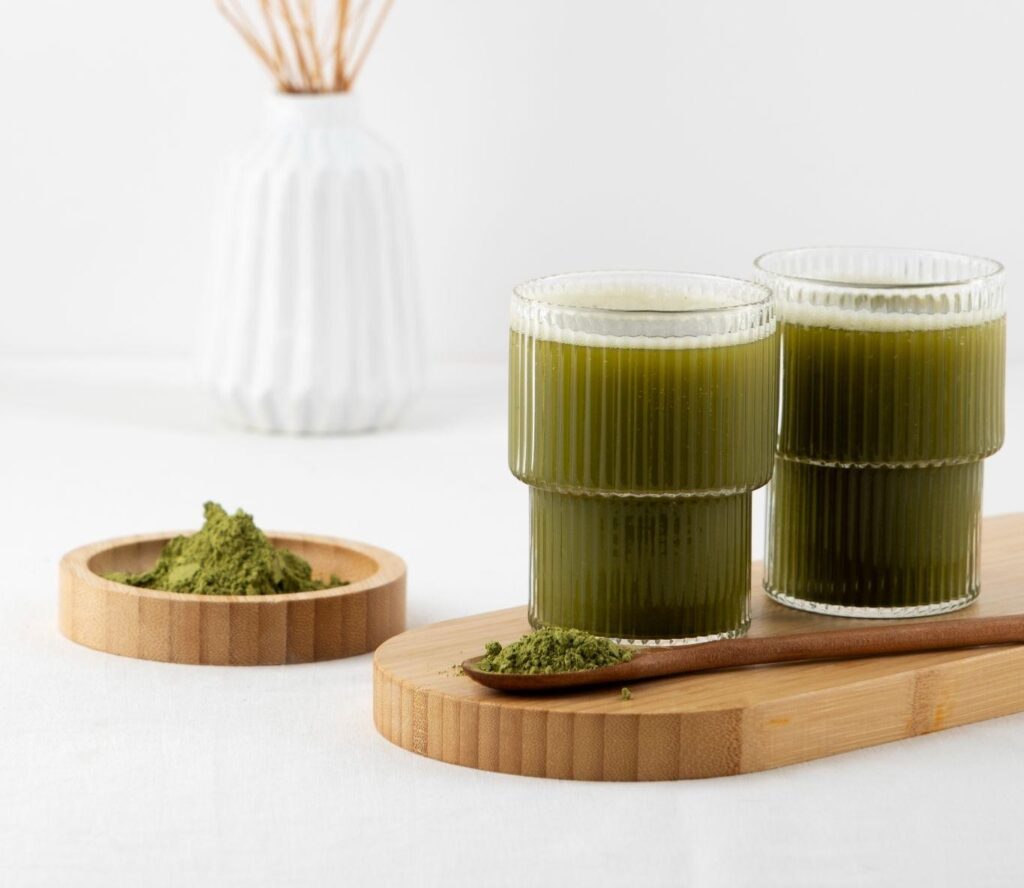
Matcha is a great example of how manufacturers can elevate a plant-based line with minimal changes to their core strategy. As an ingredient, matcha brings:
- a premium and modern perception
- distinctive colour and flavour
- a wellness-forward positioning
- strong appeal for café-style and RTD concepts
- In short: plant-based sells. Plant-based + matcha stands out.
The real B2B priority: innovate without operational friction
For manufacturers, innovation only works when it remains scalable. New product development must not mean longer production cycles, unstable formulations, or heavier supply chain demands.
MAK supports private label beverage brands and manufacturers with ready-to-use plant-based bases designed for industrial performance, repeatability, and efficiency. Our model allows you to create high-quality plant-based drinks under your own brand without starting from scratch.
Why manufacturers work with MAK
MAK is built for brands that want speed, consistency, and supply chain optimisation. Key advantages include:
- Faster time-to-market: simplify development and shorten launch timelines
- Reliable production: consistent quality and stable performance at scale
- Brand flexibility: adapt your final concept to premium, mainstream, functional, or on-the-go positioning
- Efficiency-first format: concentrated solutions that reduce logistics volume and storage needs
- Shelf-stable operations: designed to support streamlined distribution and planning
- Whether you want to launch a plant-based matcha latte, a ready-to-drink premium line, or a seasonal innovation, MAK helps you move quickly without compromising quality.
Conclusion: speed wins in plant-based
Plant-based is still growing, but the market is maturing fast. The brands that win will be those who can launch quickly, deliver consistent taste and texture, and scale efficiently.
With MAK, manufacturers can accelerate private label innovation and bring differentiated plant-based beverages to market; faster, easier, and ready for growth.
Ready to build your next plant-based launch? Let’s talk.